A burst pipe at 2 a.m. is an easy call. The harder decisions happen in the gray zone, when a water heater quits mid-shower or a slow water leak appears under the kitchen sink. Knowing when to call an emergency plumber comes down to two factors: whether you can stop it and whether the situation is getting worse.
What Are the Most Common Plumbing Emergencies?
The most common plumbing emergencies are burst pipes, gas leaks, sewage backups, and water heater failures. Each one involves either uncontrollable water flow or a direct safety hazard that requires immediate attention from an emergency plumber.
Can a Burst Pipe Wait Until Morning?
No. A burst pipe is one of the few plumbing problems that cannot wait even a few hours. A single ruptured line can push hundreds of gallons of running water through your home in under an hour, warping hardwood floors, saturating drywall, and creating conditions for mold growth and structural damage within 24 to 48 hours.
Your first move is the main water supply valve. Shut it off before you do anything else, including calling for help. Every homeowner needs to know where this valve is before a plumbing emergency forces them to find it under pressure. Once the water supply is cut, call an emergency plumber.
Burst pipes almost always require a professional plumber because the repair means accessing pipes behind walls or under foundations, and the plumber needs to identify the root cause. Whether the failure came from a frozen pipe, a corroded copper joint, or a water pressure spike, diagnosing that cause prevents the same problem from recurring.
Frozen pipes deserve specific attention.
Below-freezing temperatures cause water inside exposed PEX, CPVC, or copper lines to expand, cracking the pipe from within. If you turn on a faucet and get zero water flow or just a trickle of cold water, there is probably a frozen pipe somewhere in the plumbing system.
Skip the blowtorch. A professional plumber can locate the frozen section with an infrared thermometer, thaw it safely, and assess whether the pipe has already split.
What Should You Do During a Gas Leak?
A gas leak is an evacuation scenario. Leave the house immediately and call your gas utility provider and an emergency plumber from outside. Do not flip light switches, use phones indoors, or activate anything electronic. A single spark from a thermostat cycling or a refrigerator compressor kicking on can ignite leaking natural gas or propane.
What surprises most homeowners is that licensed plumbers handle gas line work. Emergency plumbers certified by organizations like the National Fire Protection Association (NFPA) can locate and repair gas leaks, pressure-test the lines, and certify your plumbing system as safe before anyone re-enters the home.
Is a Sewage Backup a Plumbing Emergency?
Yes. A sewage backup is a plumbing emergency that requires immediate professional intervention.
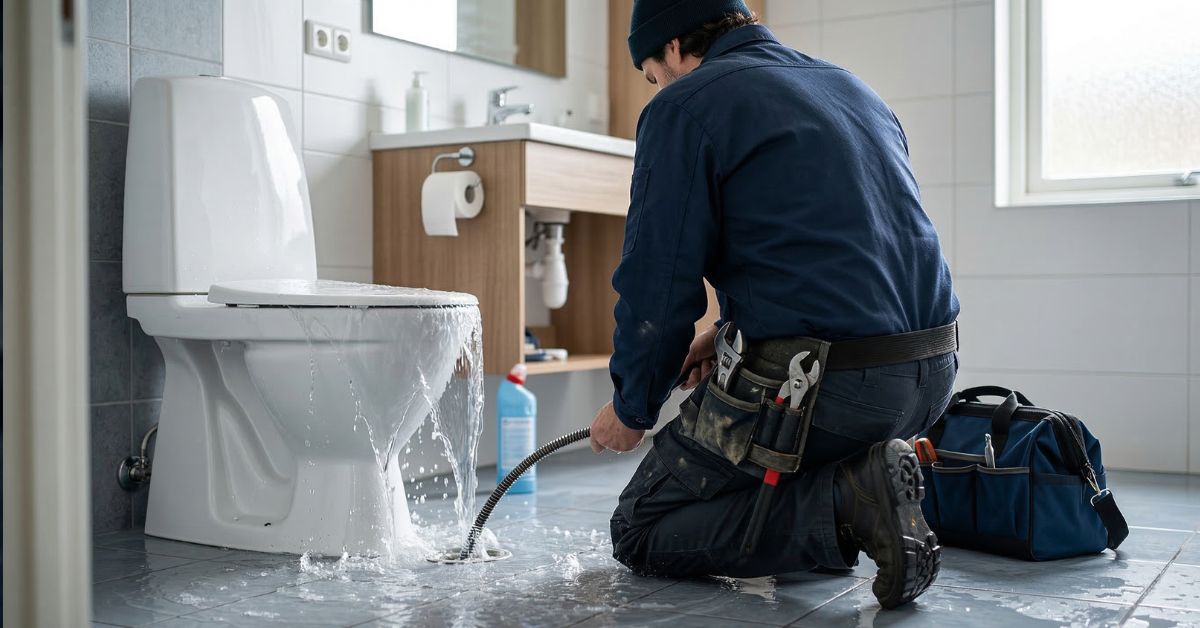
One overflowing toilet usually just needs a plunger. The situation changes when multiple overflowing toilets back up simultaneously, floor drains start pushing sewage into living areas, or every drain in the house stops working at once. That pattern signals a main sewer line blockage.
Raw sewage carries E. coli, Salmonella, hepatitis A, and other pathogens that the EPA classifies as serious biological contaminants. Every hour it sits in your home makes decontamination more difficult and expensive. A sewer backup also tends to reveal larger problems in the plumbing system, from tree root intrusion to a collapsed section of clay or Orangeburg pipe, that only a plumbing service with CCTV camera inspection equipment can properly diagnose.
When Does a Water Heater Problem Become an Emergency?
A water heater becomes an emergency when it is actively leaking, making banging or popping noises, or producing discolored water with a metallic taste. Losing hot water is frustrating, but it typically does not require emergency plumbing repair. Active leaks and unusual sounds do, because they point to a failing temperature and pressure (T&P) relief valve, dangerous sediment buildup, or internal tank corrosion.
The risk is straightforward. A standard Rheem, AO Smith, or Bradford White residential tank holds 40 to 80 gallons. If that tank ruptures, the full volume hits your floor at once. When you spot pooling water around the base, turn off the power (breaker for electric units, gas valve for gas models) and close the cold water inlet valve at the top. Then call for water heater repair through an emergency plumbing service. Beyond water damage to surrounding structures, gas water heaters that malfunction can also produce carbon monoxide, which the CDC identifies as responsible for hundreds of deaths annually in the United States.
Which Plumbing Issues Can Wait Until Business Hours?
Stable, contained plumbing problems with no active health risk can almost always wait for a regular plumbing service appointment. Emergency plumbers typically charge 1.5 to 3 times standard plumbing repair rates, so knowing when to call an emergency plumber also means knowing when not to.
How Do You Tell If a Plumbing Problem Is Urgent?
The test is whether the situation is actively getting worse. A dripping faucet is a plumbing issue, not an emergency. Same goes for a single clogged drain that responds to a plunger, water pressure that has declined gradually over weeks, or a running toilet that still fills and flushes. These are legitimate plumbing problems, but they cost far less to fix during normal business hours.
A water leak dripping into a bucket is stable. A water leak spraying from a pipe joint is not. One slow clogged drain is manageable, and drain cleaning can wait. Every drain in the house gurgling and backing up at the same time needs immediate attention.
How Do You Reduce Damage While Waiting for Emergency Plumbing Repair?
Shut off the water supply to the affected area and protect your property from further water damage while the plumber is in transit. Response times for emergency plumbing service providers typically range from 30 minutes to two hours, and what you do in that window directly affects the final repair cost.
What Steps Should You Take Before the Plumber Arrives?
Start by isolating the water supply. Most fixtures have individual shutoff valves. Toilets have a valve behind the base. Sinks have them under the cabinet. If you cannot locate a fixture-level valve or the plumbing problem is in the main line, shut off the main valve where the water supply enters the house.
Move furniture, electronics, and anything valuable away from standing water. Water damage to personal property compounds quickly, and insurance adjusters from carriers like State Farm, Allstate, or USAA evaluate whether the homeowner took reasonable steps to limit the damage before approving claims.
If water pressure is driving an active spray from a pipe, wrap the area tightly with towels and apply firm pressure. It will not fix the plumbing problem, but it slows the water flow enough to buy time. Take photos of the leak source, the spreading damage, and the surrounding area. Good documentation speeds up both the plumbing repair diagnosis and whatever insurance claim follows.
Do Commercial Properties Need a Different Emergency Plumber?
Yes. Commercial plumbing emergencies require plumbers with commercial licensing and experience working on larger, more complex systems. A burst pipe in a restaurant kitchen or a sewage backup in an office building affects employees, customers, and revenue. The same plumbing emergency that ruins a homeowner’s weekend can shut down a business and trigger OSHA compliance issues.
Why Are Commercial Plumbing Systems More Complex?
Commercial plumbing systems involve larger pipe diameters, backflow prevention devices, grease traps, and connections to specialized infrastructure like commercial water heaters and air conditioning systems. Buildings over 50,000 square feet often have dedicated mechanical rooms with booster pumps and recirculation loops that residential plumbers rarely encounter.
If you manage a commercial property, build a relationship with a commercial plumbing service before anything breaks. A plumber who already has your building’s plumbing system specs on file can cut emergency diagnosis time substantially, translating directly into less downtime and lower costs.
Need Emergency Plumbing Service?
Whether it’s a gas leak, overflowing toilet, or a pipe that has burst, give us a call! We’ll be right over!