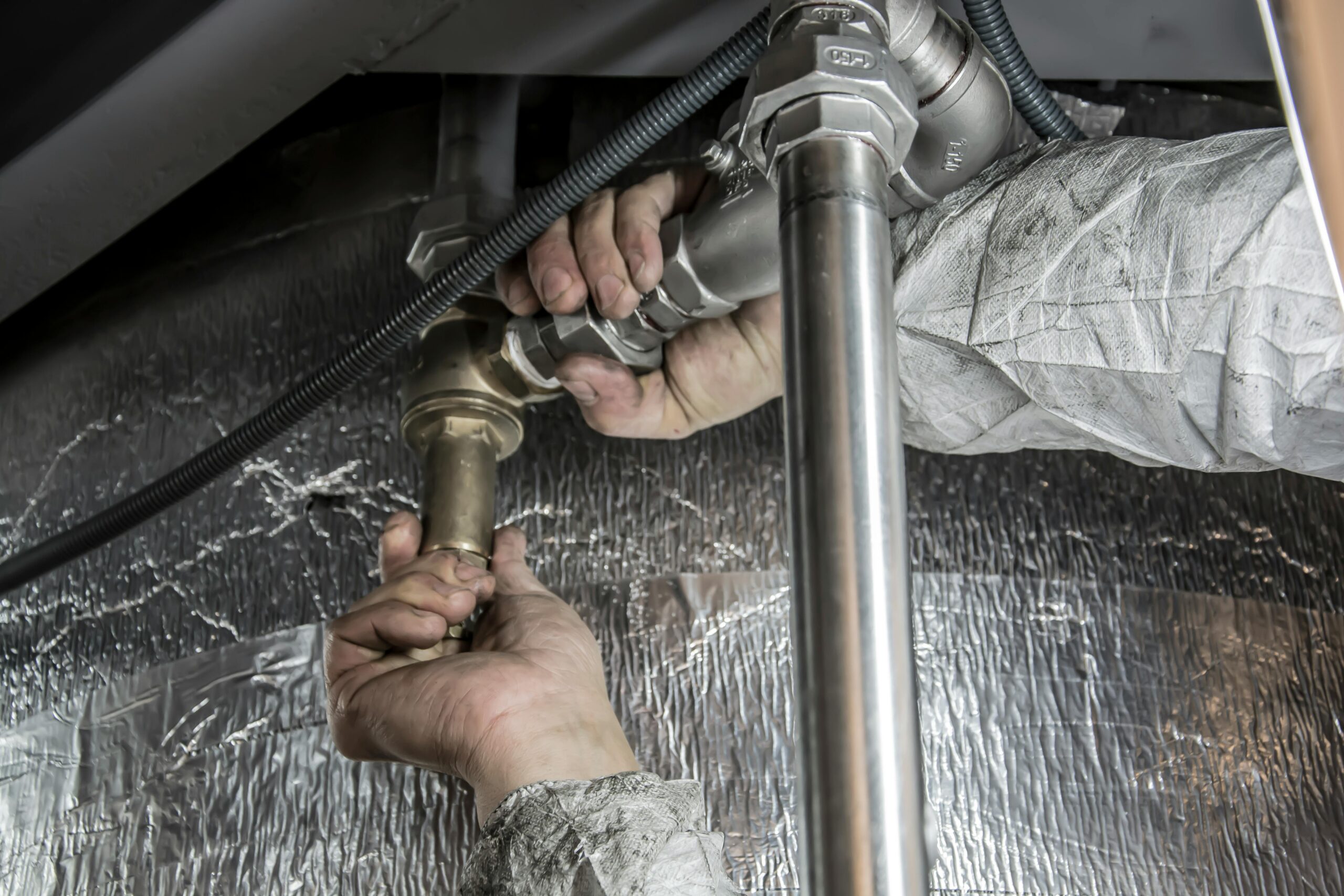
A water heater problem forces a decision: fix what you have or buy something new. The answer depends on what’s actually wrong, how old your unit is, and whether the repair cost makes financial sense given how much life the water heater has left.
This guide breaks down exactly how to choose between water heater repair vs replacement, covering which problems are worth repairing, which signal it’s time for a new water heater, and how to compare your options if replacement is the smarter move.
How Do You Know If Your Water Heater Can Be Repaired?
You can usually repair a water heater if the problem is isolated to a replaceable part like the heating element, thermostat, or anode rod, and the tank itself shows no signs of corrosion or leaking. Once the tank is compromised, repair stops being an option.
Many common water heater problems have straightforward fixes that cost a fraction of replacement. The key is understanding which parts fail in repairable ways and which failures indicate the tank itself is damaged beyond saving.
What Water Heater Problems Are Usually Fixable?
A faulty heating element is one of the most common reasons electric water heaters stop producing hot water. The element itself costs $20 to $50, and a plumber can swap it out in under an hour. Inconsistent water temperature or lukewarm output instead of hot usually points here first.
Thermostat failures are equally minor. The thermostat controls when the heating element activates, and replacing it is a straightforward repair. Sediment buildup causes different symptoms: popping or rumbling sounds from the tank, or water that takes longer to heat. Flushing the tank removes the sediment and restores efficiency.
Low water pressure from your hot water taps often traces back to sediment clogging the lines or a partially closed valve rather than a dying water heater. A tripped reset button on an electric unit is another simple fix that usually points to a thermostat issue rather than a major failure.
When Is a Repair Too Expensive to Be Worth It?
Costly repairs start making less sense as a water heater ages. A $300 repair on a three-year-old unit is reasonable because you’re paying for years of continued use. That same repair on an eight-year-old tank water heater is harder to justify when the unit might only last another two or three years.
If the repair cost approaches half the price of a new water heater installation, replacement is usually the better investment. For a standard tank water heater that costs $1,200 to $1,800 installed, any single repair over $600 should trigger serious consideration of replacement.
What Are the Signs You Need a New Water Heater?
Some problems point clearly toward water heater replacement rather than repair. Age, visible deterioration, and declining performance all factor into recognizing when a unit is past the point of worthwhile repair.
How Does Water Heater Age Affect the Decision?
Tank water heaters last 8 to 12 years on average. Tankless models last 15 to 20 years with proper maintenance. If your old water heater is within two years of its expected lifespan, any significant repair becomes questionable.
An older water heater that still technically functions often costs more to operate than a newer model would. Efficiency drops as components wear and sediment accumulates. You’re paying for that lost efficiency every month in higher energy bills, even when nothing seems broken. The unit works, but it’s working harder than it should.
What Does Rusty Water Mean for Your Water Heater?
Rusty water coming from your hot water taps signals corrosion somewhere in the system. Test by draining a few gallons directly from the tank’s drain valve into a bucket. If that water is rusty, the corrosion is inside the tank.
Tank corrosion cannot be repaired. Once the interior lining breaks down and the steel starts rusting, the tank will eventually leak. Water quality plays a role in how fast this happens. Hard water with high mineral content accelerates sediment buildup and wears down the anode rod faster. Once corrosion is visible in the water, the damage is done.
Why Is a Leaking Tank Always a Replacement?
A leaking tank means the structural integrity of the water heater is compromised, and small leaks inevitably grow into larger ones. There’s no repair that fixes a corroded or cracked storage tank.
The risk of water damage adds urgency. A slow leak can go unnoticed until it damages flooring, drywall, or anything stored nearby. A catastrophic failure dumps the entire contents of the tank at once. If your water heater sits in a finished basement or near valuable property, the risk of waiting on a compromised tank outweighs the cost of proactive replacement.
How Do Repair Costs Compare to Replacement Costs?
The water heater repair vs replacement decision ultimately comes down to money, but not just the immediate cost. You’re weighing today’s repair bill against the total cost of ownership over the next several years.
What Is the 50% Rule for Water Heater Repairs?
The 50% rule is straightforward. If a repair costs more than half what you’d pay for a new water heater, replace instead of repair.
New tank water heater installation typically runs $1,200 to $2,000 for a standard unit including labor. Tankless water heater installation costs more, usually $2,500 to $4,500 depending on whether gas lines or electrical upgrades are needed. Heat pump water heaters fall in between, generally $2,000 to $3,500 installed.
Using those numbers, a repair over $600 to $1,000 on a tank water heater crosses the threshold where replacement makes more sense.
How Do Frequent Repairs Add Up Over Time?
A pattern of frequent repairs signals a water heater in decline. Each individual fix might seem reasonable in isolation, but the pattern tells a different story.
Track what you’ve spent on water heater repair over the past two to three years. If the total approaches or exceeds what a new unit would cost, you’ve been paying replacement prices in installments without getting a replacement. Beyond the money, frequent repairs mean repeated inconvenience. Service calls take time to schedule, and you’re left without reliable hot water while waiting.
What Safety Issues Require Immediate Replacement?
Certain problems move beyond cost calculations into safety territory. When a water heater becomes a hazard, replacement is not optional.
A malfunctioning pressure relief valve is a serious concern. This valve releases pressure if the tank overheats or pressure builds beyond safe levels. If the valve is corroded, stuck, or leaking, it may not function when needed. Failed pressure relief valves can lead to tank ruptures in extreme cases.
Gas water heaters introduce combustion-related risks. Cracked heat exchangers can leak carbon monoxide into your home. Yellow or flickering burner flames instead of steady blue flames indicate incomplete combustion. The smell of gas near the unit is an emergency that requires immediate gas leak detection and evaluation. If the diagnosis points to a failed heat exchanger or compromised gas connections, replacement is the safe path forward.
What Are Your Replacement Options?
If the decision points toward replacement, you have more options now than homeowners did a decade ago. Each type of new water heater has different upfront costs, operating costs, and installation requirements.
Traditional tank water heaters store 40 to 80 gallons of hot water in an insulated storage tank, ready for use whenever you need it. Installation runs $1,200 to $2,000, and these units typically last 8 to 12 years.
A tankless water heater heats water on demand as it flows through the unit. There’s no storage tank and no standby energy loss from keeping water hot around the clock. Installation costs $2,500 to $4,500, but tankless models last 15 to 20 years, which often offsets the higher upfront investment.
Heat pump water heaters and hybrid water heaters work differently. They pull heat from the surrounding air rather than generating it directly, cutting water heating energy costs by 50% or more compared to conventional electric models. Expect to pay $2,000 to $3,500 installed. These systems work best in warm climates or spaces with good air circulation.
Solar water heaters use roof-mounted collectors to heat water using sunlight. In sunny climates, they can provide most of a household’s hot water needs. Installation costs $3,000 to $6,000, and federal tax credits can offset some of that investment.
How Do You Decide Whether to Repair or Replace ?
Age comes first. If your water heater is past its expected lifespan or within a year or two of it, lean toward replacement regardless of the current problem.
Look at the problem itself. A failed heating element on a five-year-old tank is an easy repair. A leaking tank at any age is a replacement. Rusty water from inside the tank, recurring failures, or safety concerns all point toward a new unit.
Add up the real costs. Total what you’ve spent on repairs in the past two to three years. Compare the proposed repair cost to the 50% threshold. Factor in the energy consumption losses you’re paying for monthly with an older unit.Waiting for a tank to fail or a leak to spread always costs more than acting early. Whether you’re seeing warning signs or just want a professional assessment of your water heater’s condition, getting ahead of the problem is the smartest move. Contact us today to schedule an inspection and find out exactly where your water heater stands.