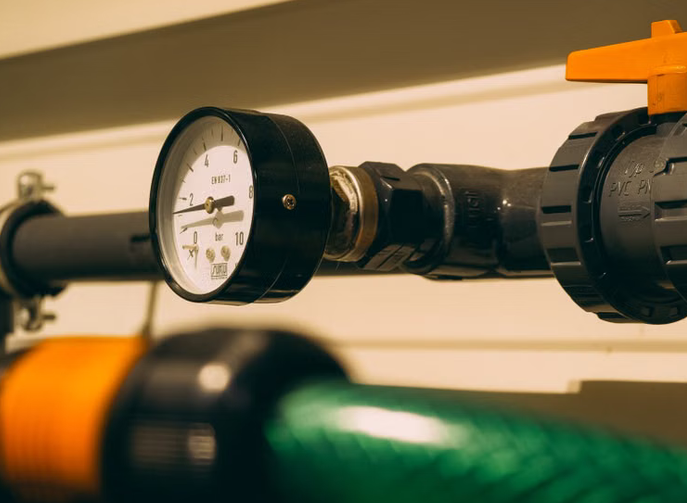
Low water pressure is one of those plumbing problems you notice right away. The shower that used to have plenty of water suddenly feels weak or the kitchen faucet takes longer to fill a pot. Oftentimes the bathroom sink is barely running, even though everything looks normal.
Before assuming you need major plumbing work, take a look at where the problem is happening. Low pressure at one faucet can have a much simpler cause than low pressure throughout the house. A clogged aerator, a problem with the main valve, a failing pressure regulator or a leak can all cause different symptoms.
If you know what to look for, you can usually narrow things down before a professional plumber comes out. Here are some of the common reasons for a low water pressure in house and what they may mean.
Is the Low Water Pressure Affecting the Whole House
The first thing we would want to know is whether the problem is happening everywhere.
Turn on a few faucets around the house. Check the kitchen sink, bathroom sink and shower. If you have more than one bathroom, check those too. Pay attention to both hot and cold water.
If one faucet has weak flow but everything else seems normal, the problem is probably close to that fixture. If every faucet and shower has weak pressure, you are dealing with something farther back in the plumbing system.
It is also worth checking whether the problem happens at certain times of day. If the pressure is fine in the morning but drops when more people in the house are using water, that tells us something different than pressure that stays low all day.
Low Water Pressure in One Faucet or Shower
When only one fixture has weak water pressure, start there. You may not have a whole-house plumbing problem at all.
Clogged Faucet Aerators
The little screen at the end of most faucets can collect mineral deposits and bits of sediment. When that buildup gets bad enough, water cannot pass through as easily.
If the kitchen faucet is weak but the bathroom faucets and shower are working normally, the aerator is a good place to start. It can usually be removed, cleaned and put back.
If cleaning it brings the flow back, you have found the problem. There is no reason to turn a simple clogged screen into a bigger plumbing repair.
Blocked Showerheads
Showerheads can have the same problem. Mineral deposits build up inside the small openings and slowly restrict the water.
This happens gradually. You may not notice it at first because the pressure gets a little weaker over weeks or months. Then one day you turn on the shower and wonder where all the water went.
If the other fixtures in the house have normal pressure, a dirty showerhead is worth checking before assuming something is wrong with the plumbing behind the wall. You can clean it with special product or vinegar.
Low Water Pressure Throughout the House
Things are different when the water pressure is low at nearly every fixture.
If the kitchen, bathrooms and showers are all affected, the problem is probably not a single faucet or showerhead. You may be dealing with the main water supply, the main shutoff valve, a pressure regulator, a leak or restricted plumbing pipes.
This is where it helps to look at what changed. Did the pressure drop suddenly or has it been getting weaker for a long time?
A sudden drop can point to a valve problem, a leak or an issue with the water supply. Pressure that has slowly gotten worse over the years can be related to mineral buildup, aging pipes or a pressure regulator that is no longer working properly.
The symptoms can overlap, so you do not want to guess at the repair before finding the actual cause.
Check Your Main Water Shutoff Valve
Your home’s main shutoff valve controls the water coming into the house. It is usually located where the main water line enters the home, although the exact location varies.
If someone recently worked on the plumbing, the valve may not have been opened all the way afterward. A partially closed valve can restrict the amount of water coming into the house.
This is one of the simpler things to check. Look at the valve and see whether it appears to be fully open.
Do not force a valve that is stuck or damaged, as well as very difficult to turn. Older shutoff valves can break or start leaking when someone puts too much force on them. If it does not operate normally, that is a good reason to have a plumber take a look.
Could Your Pressure Regulator Be the Problem
Some homes have a pressure regulator on the incoming water line. Its job is to keep water pressure at a safe level as water comes into the house.
When the regulator starts having problems, the pressure becomes too low, fluctuates or changes without much warning. You may notice that several fixtures are affected at the same time.
A regulator can also wear out, like anything else. If the pressure throughout the house has been getting weaker and you have already ruled out a simple fixture problem, it is something a plumber may need to check.
This is not a part we recommend adjusting just to see what happens. Water pressure that is too high can cause its own plumbing problems, so the goal is to find out what the pressure actually is and why it has changed.
Could a Plumbing Leak Cause Low Water Pressure
A leak can affect water pressure, especially when it is significant or located on the main water line or another important part of the plumbing system.
There may be some obvious signs. You might hear water running when everything in the house is turned off or your water bill may suddenly be higher. Finding a damp spot or water stain for no obvious reason are also warning signs.
Not every leak is easy to spot, though. A pipe can leak behind a wall, under a floor or in another area you cannot see.
If the pressure dropped suddenly and you also notice signs that water is going somewhere it should not, do not ignore it. A leak can cause much bigger damage if it is left alone.
Mineral Buildup and Older Plumbing Pipes
Mineral buildup does not only happen in faucet aerators and showerheads. In some older plumbing systems, deposits can build up inside the pipes themselves due to hard water.
Over time, that buildup can leave less room for water to move through the pipe. The result may be weaker flow at several fixtures around the house.
This is different from a dirty faucet screen. Cleaning one fixture will not fix a restriction that is farther back in the plumbing.
Older pipes can also develop corrosion or other problems that affect water flow. If the pressure has slowly declined over a long period and the home has older plumbing, it is worth having the system checked instead of replacing individual features.
Could the Local Water Supply Be Causing Low Pressure
Sometimes the problem is not inside your house at all.
Water pressure can change because of work on the local water system, nearby construction or other issues with the municipal supply. If your neighbors are suddenly dealing with the same thing, that is a pretty good clue.
Ask a neighbor if they have noticed a change. You can also check with the local water provider to see whether there is known maintenance or a problem in the area.
If the whole neighborhood has low pressure, a plumber working inside your house won’t be able to fix the source of the problem. If everyone else has normal pressure and your house does not, then it makes more sense to look at your own plumbing.
What You Can Check Before Calling a Plumber
Before calling a plumber, a few quick checks can tell you more about where the pressure problem may be coming from.
- Check several fixtures: Turn on a few faucets and showers to see if the problem is limited to one fixture or affects the whole house.
- Test hot and cold water: If only the hot water is weak, the problem may be somewhere in the hot-water system.
- Check the aerator: If one faucet has weak flow, remove and clean the aerator to see if mineral buildup is restricting the water.
- Look at the showerhead: Visible mineral buildup can reduce flow through the small openings.
- Check the main shutoff valve: If the entire house has low pressure, make sure the main valve is fully open.
- Look for signs of a leak: Check exposed pipes and areas around fixtures for damp spots, dripping water or other signs of a leak.
- Pay attention to when it happens: Note whether the pressure is always low, drops when other fixtures are running or changed suddenly.
When Low Water Pressure Should Be Checked by a Plumber
A weak faucet caused by a clogged aerator is one thing. Low pressure throughout the house is another.
It is worth having a plumber check the system if:
- The pressure is low at several fixtures
- The pressure suddenly dropped without an obvious reason
- The pressure keeps going up and down
- You see signs of a leak
- Cleaning a faucet aerator or showerhead does not help
- The main shutoff valve looks damaged or will not work properly
- The pressure has gradually gotten worse in an older home
Can Low Water Pressure Be Fixed
In most cases, there is a way to fix the problem once the cause is known. The repair depends on what is actually going on.
A clogged aerator or showerhead may only need cleaning. A partially closed valve needs to be opened properly. A bad pressure regulator is repaired or replaced.
If there is a leak, the leak needs to be found and repaired. If the plumbing has significant restrictions from mineral buildup, corrosion or aging pipes, the repair may be more involved.
The important part is finding the cause first. Installing something to increase water pressure without knowing why the pressure is low can miss the real problem and may create other issues if the system is not meant to run at higher pressure.
Keep an Eye on Changes in Your Home’s Water Pressure
Most people do not think about their home’s water pressure until something changes.
If the shower suddenly feels weaker or several faucets are not flowing like they normally do, pay attention to it. Notice which fixtures are affected, whether hot and cold water are both involved and whether the pressure changes at certain times. That information can make troubleshooting much easier.
You do not need to know exactly what is wrong before calling a plumber. You just need to know what you are seeing and when low water flow started.
FAQs
Can low water pressure damage household appliances?
Low water pressure usually will not damage an appliance by itself, but it can keep some appliances from working the way they should. Washing machines, dishwashers and other water-using equipment need a certain amount of flow to fill properly.
Is low water pressure bad for a tankless water heater?
Low water pressure can affect how well a tankless water heater operates, especially if the flow falls below what the unit needs to activate and keep running. You may notice inconsistent hot water or a unit that shuts off during use.
Does low water pressure affect how well a toilet flushes?
It can, particularly with toilets that rely heavily on the incoming water supply to refill the tank quickly. A weak supply makes the toilet refill slowly or leave less water available for the next flush.
Does adding more plumbing fixtures reduce water pressure?
Adding fixtures does not automatically lower the home’s static water pressure, but using several fixtures at the same time can reduce the flow available at each one. The effect depends on the home’s water supply and the size and condition of the plumbing.
Can landscaping or tree roots affect water pressure?
Tree roots can damage or interfere with underground water lines, which may eventually affect the home’s water supply. This is more likely to be a concern when roots are growing near older or damaged underground pipes.
Does water pressure change between single-story and two-story homes?
Water pressure can be lower at fixtures on an upper floor because water has to travel upward against gravity. A sudden change in pressure between floors, however, can point to a plumbing issue that was not there before.
What is considered normal water pressure for a house?
Many homes operate somewhere around 40 to 60 PSI (pounds per square inch), although the appropriate pressure varies by home and plumbing system.